
While watching Ginger’s movies it’s hard to believe that they were filmed so long ago. Even harder to imagine is that she was born over 100 years ago! So exactly how different was 1911 compared to today? Let’s take a look at 1911 fashion:
 |
| 1911 Outfit at Ginger House Museum |
Welcome to the end of the Edwardian Era. High waste, long heavy skirts and shirtwaist blouses and high waste dresses were all the rage in 1911. Women’s clothing was embellished with fur, ruffles and buttons. Lots of buttons. High heal shoes and boots, again with lots of buttons covered women’s feet, long gloves covered hands and large wide hats adorned with flowers, feathers, tulle and bows covered heads. Essentially covered from top to bottom, before you decide to try on this outfit you might want to wait for a mighty cool day.

Did you know?
The feather hat was so popular that the Egret and other birds nearly went extinct. This was a large motivator in Congress approving the Migratory Bird Act on March 4th, 1913
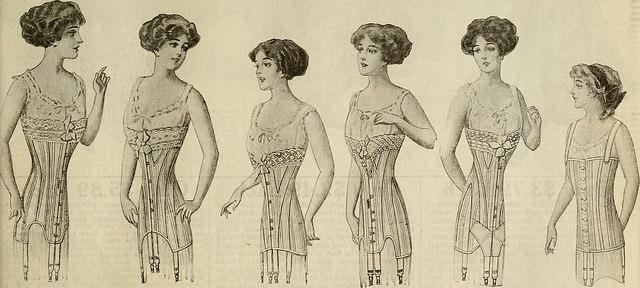
The “Gibson Girl” look was ideal for this year in hair. This style rolled hair up with a bun on top, often with a slight amount of intentional messiness. Hair let down a bit would be adorned with a wide headband. Other accessories often found in a woman’s dressing room would have included a corset, petticoat, stockings, fans and parasols.
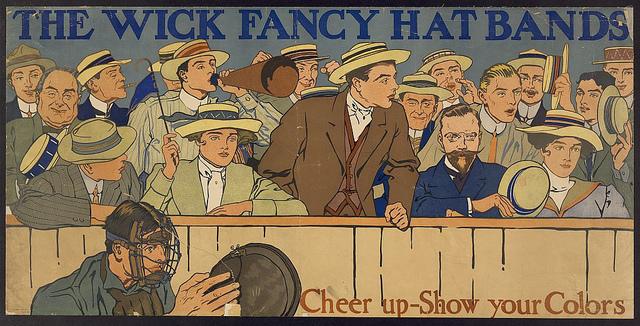
Dark colored wool “sack suits” were at the top of men’s shopping list. The term “sack” refers to the loose or bagginess of the suits. Under the suit men wore button up wing collared shirts commonly with a bow tie, though long ties were also acceptable fashion. Like women’s shoes, men’s had a bit of a heal and (though not all) yes again….buttons! Leather gloves and derby or bowler hats finished up the outfit. Below the hat- a mustache, often long, thick and sometimes curled at the ends.
What would baby Ginger have worn? Well, just like her male baby counterparts- a gown. Both baby girls and boys of this era wore gowns and had long hair into their toddler years.
Did you know?
The first waterproof diaper cover “The Boater” was invented by Marion Donovan in 1946. The modern disposable diaper didn’t hit the scene until the 1960’s.
Americans made an average of $750 per year ($62.50 per month) from 1900-1919. In 1911 a six-room home rented for between $16 & $25 per month, a woman’s dress cost nearly $6 while a man’s suit cost up to $20. Obviously not everyone could afford high fashion and what fashion could be afforded was kept to a minimum for the average American. Jobs for women and minorities were much less available, paid significantly less per hour and were often riddled with unfair labor practices. In sad irony, the popular shirtwaist style blouse was also the name of a factory struck by tragedy that eventually improved some safety standards for future workers. The New York City Triangle Shirtwaist Factory caught on fire on March 25th, 1911. The fire killed 123 women and 23 men, most due to exits and doors being locked to prevent workers from stealing.


Independence had only a few clothing stores in 1911 (City Index photo above). Although it is quite possible that Lela may have purchased some clothing items for both she and Virginia (Ginger) it is more likely that she made most of their clothing. Lela was a skilled seamstress and would have needed nothing more than some fabric, a pattern and thread.


